


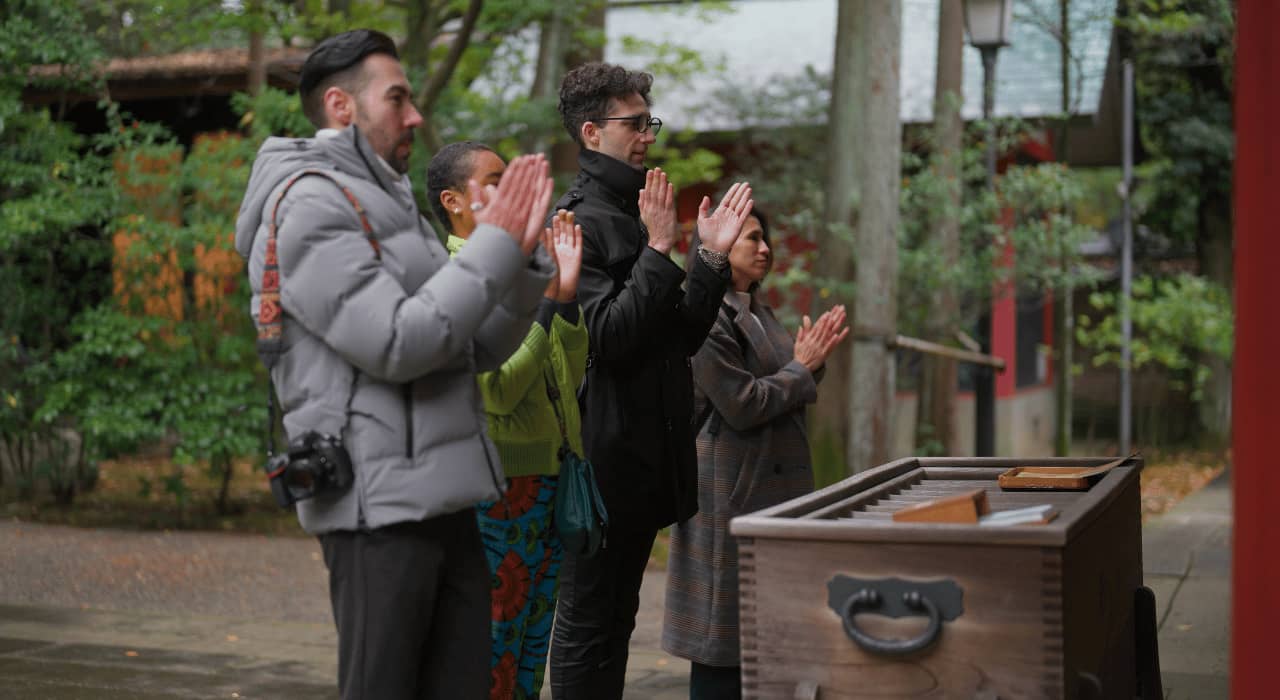
The New Year period (お正月, Oshogatsu) is the most significant time of year in Japan.
For professionals, it’s a blend of unique business rituals and a practical “survival” challenge as many essential services pause.
This guide covers everything you need to know to close the year professionally and enjoy the holidays like a local.
Business Etiquette: Mastering the Greetings
As “仕事納め,Shigoto-osame” (the last working day, usually around Dec 28) approaches, wrapping up your professional relationships is key.
- Before the break: Use “良いお年を,Yoi otoshi o” (Have a great year). It’s the standard way to say goodbye for the year.
- After the break: Use “あけましておめでとうございます, Akemashite omedeto gozaimasu” (Happy New Year). This is used from your first day back, typically until January 7th.
- Email Tip: Send a brief “Thank you” email to clients. Use subjects like “Year-end Greetings” to maintain a strong professional connection for the coming year.
Survival Tips: Don’t Get Caught Off Guard
Japan essentially “shuts down” during the first few days of January. Here are three things to watch out for:
- Cash & Banking: Banks and some ATMs close from Dec 31 to Jan 3. Fees may be higher, or certain cards might not work. Withdraw enough cash beforehand.
- Healthcare: Most clinics are closed. Check your medicine cabinet and find the nearest “Emergency Clinic” (救急当番医,Kyukyu Toban-i) just in case.
- Trash Collection: Miss the last pickup of the year, and you’ll be stuck with trash for a week. Check your local ward’s holiday schedule!
Culture: Experience the Traditions
Make the most of your time in Japan by participating in these seasonal customs:
- Toshikoshi Soba(年越し蕎麦): Eat buckwheat noodles on New Year’s Eve. The long, thin noodles symbolize a long and healthy life.
- Hatsumode(初詣): Visit a shrine or temple during the first few days of the year to pray for good luck. Special overnight trains often operate in central Tokyo and other urban areas from New Year’s Eve until the early morning of New Year’s Day, making it very convenient to go for your first visit. Be sure to check the official websites of each railway company for the latest schedules.
- Fukubukuro(福袋): Grab a “Lucky Bag” at your favorite shops. It’s a great way to get high-value items at a discount, though the contents are often a surprise!
By balancing professional etiquette with practical preparation, you can start the New Year with confidence and peace of mind.
Respect the traditions, prepare for the closures, and most importantly, enjoy the unique serenity of a Japanese New Year.
For more articles
 Subscribe to the Newsletter